
The definition of Man: philosophical, historical, and social perspectives
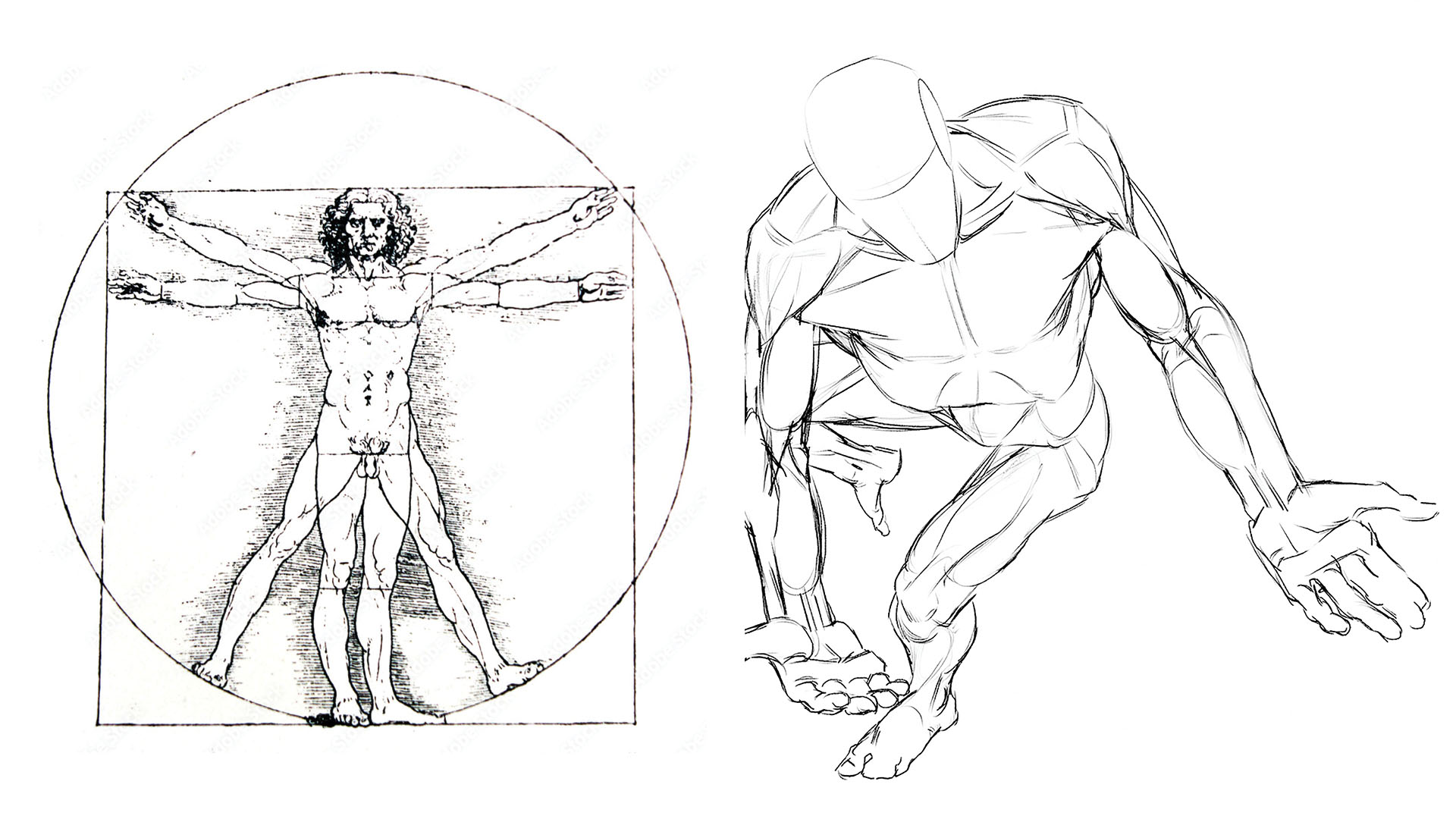
Throughout history, humanity has sought to define what it means to be a man. From ancient philosophers to modern thinkers, countless perspectives have shaped our understanding of masculinity, identity, and existence. This article explores how different eras, philosophies, and social contexts have answered this profound question.
Ancient Philosophical Perspectives
In Ancient Greece, philosophers such as Socrates, Plato, and Aristotle provided foundational ideas about man. Socrates emphasized self-awareness, claiming that “the unexamined life is not worth living.” Plato described man as a being capable of reason and moral contemplation, while Aristotle viewed man as a “rational animal” whose purpose is to achieve eudaimonia (fulfillment).
Religious Interpretations
Religions have profoundly influenced the concept of man. In Christianity, man is seen as created in the image of God, with moral responsibility and free will. In contrast, Eastern philosophies like Buddhism view man as a transient being whose purpose is to overcome suffering through enlightenment.
The Renaissance and Humanism
During the Renaissance, humanists like Pico della Mirandola celebrated man as a free and creative being. His famous Oration on the Dignity of Man declared that humanity has the power to shape its destiny, reflecting a renewed belief in human potential.
Existentialism and Modern Thought
In the 20th century, existentialist thinkers like Jean-Paul Sartre and Martin Heidegger focused on individuality and freedom. Sartre famously said, “Man is nothing else but what he makes of himself,” highlighting the individual’s responsibility to create meaning in a seemingly indifferent universe.
Contemporary Views and Challenges
Today, definitions of man are increasingly diverse. Gender studies, psychology, and sociology explore masculinity beyond biological determinism. Movements for gender equality and LGBTQ+ rights challenge traditional norms, promoting more inclusive definitions of manhood.
The question of what it means to be a man continues to evolve. Each era, culture, and philosophy contributes to a broader understanding of humanity. As society progresses, the definition of man will undoubtedly continue to shift, reflecting our collective pursuit of identity, purpose, and connection.
Perhaps the true essence of being a man lies not in a singular definition but in the ability to question, grow, and embrace the complexity of the human experience.