
The Importance of Music in Cognitive and Emotional Development in Early Childhood Education
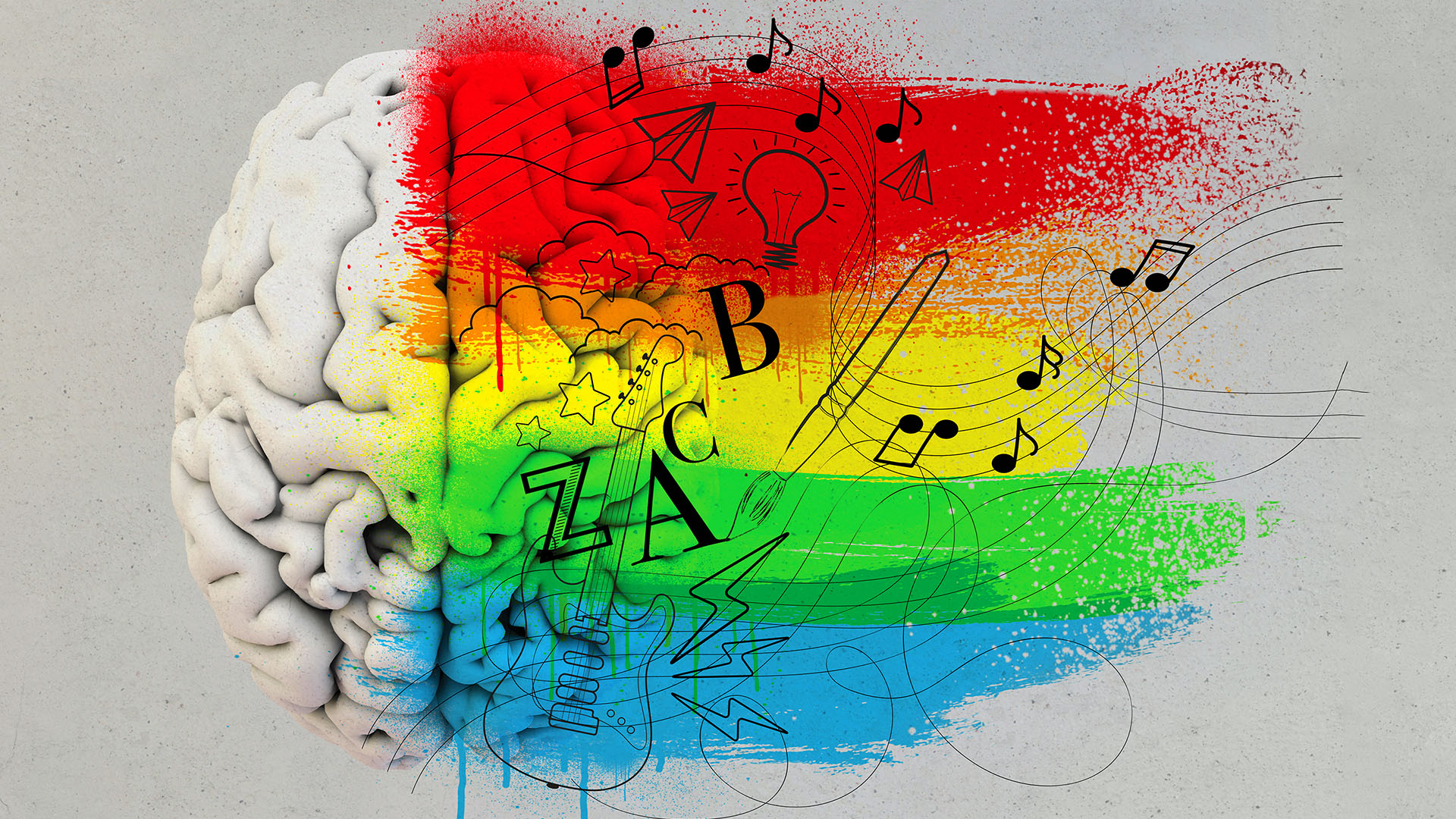
Music has always been a vital part of human culture, playing an essential role in rituals, celebrations, and personal expression. However, beyond its cultural value, music also contributes significantly to cognitive and emotional development, particularly in young children. Research has highlighted music as a potent tool for enhancing mental and emotional skills in early childhood education.
Music as a Cognitive Development Tool
Numerous studies have demonstrated that music stimulates multiple brain areas, fostering cognitive growth from an early age. According to researchers like Hallam (2010), exposure to music activates brain regions associated with language, memory, and problem-solving. This stimulation can positively impact other areas of learning, such as mathematics and reading, by enhancing pattern recognition and memory skills (Hallam, 2010; Schellenberg, 2005).
For example, rhythm and structure in music help children identify patterns, a fundamental skill for understanding mathematical concepts. Additionally, practicing music involves memory and attention, both crucial for academic success. Early exposure to music thus lays the groundwork for a more well-rounded educational experience.
Music’s Role in Emotional Intelligence Development
Beyond cognitive benefits, music is a valuable medium for emotional development. According to research by Juslin and Sloboda (2001), music provides a safe channel for children to explore their emotions. Through musical activities, children can express feelings like happiness, sadness, or even fear, helping them to understand and manage their emotions better.
This form of expression also fosters empathy and self-awareness, essential components of emotional intelligence (Salovey & Mayer, 1990). Musical activities allow children to engage with their feelings in a controlled environment, building skills that will benefit them throughout life. Integrating music into early education thus supports the development of well-rounded, emotionally aware individuals.
Social Benefits of Music in Childhood
In addition to cognitive and emotional benefits, music also has social advantages. Group musical activities, such as choirs or music-based games, encourage cooperation and respect for others (Rabinowitch, Cross, & Burnard, 2013). Music can be inclusive, enabling every child to participate and feel valued, which helps to build self-esteem and foster healthy relationships with peers.
Through these positive experiences, children develop a sense of identity and self-worth. Recognizing their ability to contribute musically enhances their confidence, laying a foundation for personal and social development.
Practical Applications in Early Childhood Education
Implementing music in early education can be simple yet effective. Activities such as free dance, where children move according to how a melody makes them feel, provide a space for emotional expression. Additionally, a “musical emotions box” can allow children to choose a song that represents their current mood, helping them learn to articulate and share their feelings (Hallam, 2010).
Making instruments, such as maracas or drums from household items, not only encourages creativity but also improves motor skills and teaches teamwork. These activities are enjoyable and educational, fostering various skills crucial for development.
Conclusion
Music plays a crucial role in early childhood education, contributing to cognitive, emotional, and social growth. By integrating music into educational environments, educators and parents provide children with tools to understand their world, navigate their emotions, and interact positively with others.
In an era that increasingly values emotional intelligence and cognitive flexibility, music stands as an indispensable educational tool. Incorporating music into early education programs not only sharpens young minds but also nurtures empathetic, resilient, and well-rounded individuals.