
The Origin of the World: The Most ControversialPainting in Art History
Introduction
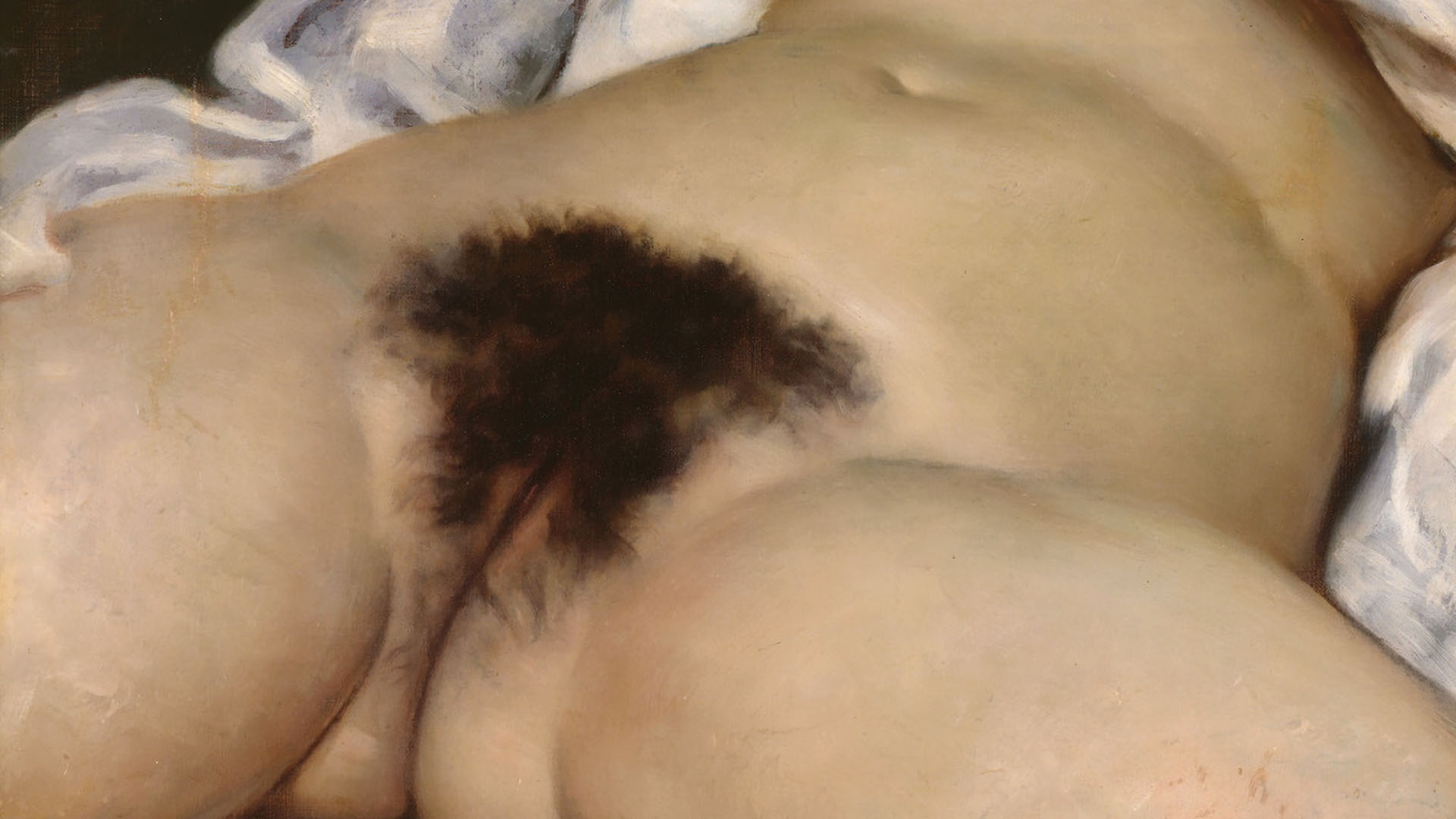
The Origin of the World (1866), by French painter Gustave Courbet, is regarded as one of the most controversial works in the history of art. This realist painting, which depicts a close-up view of female genitalia, defied the artistic and social conventions of its time, challenging traditional ideals of beauty and sparking debates about eroticism, censorship, and artistic freedom. This article explores the context, controversy, and enduring impact of this painting to understand its importance in art history and its connection to contemporary culture.
Context and Courbet’s Motivations
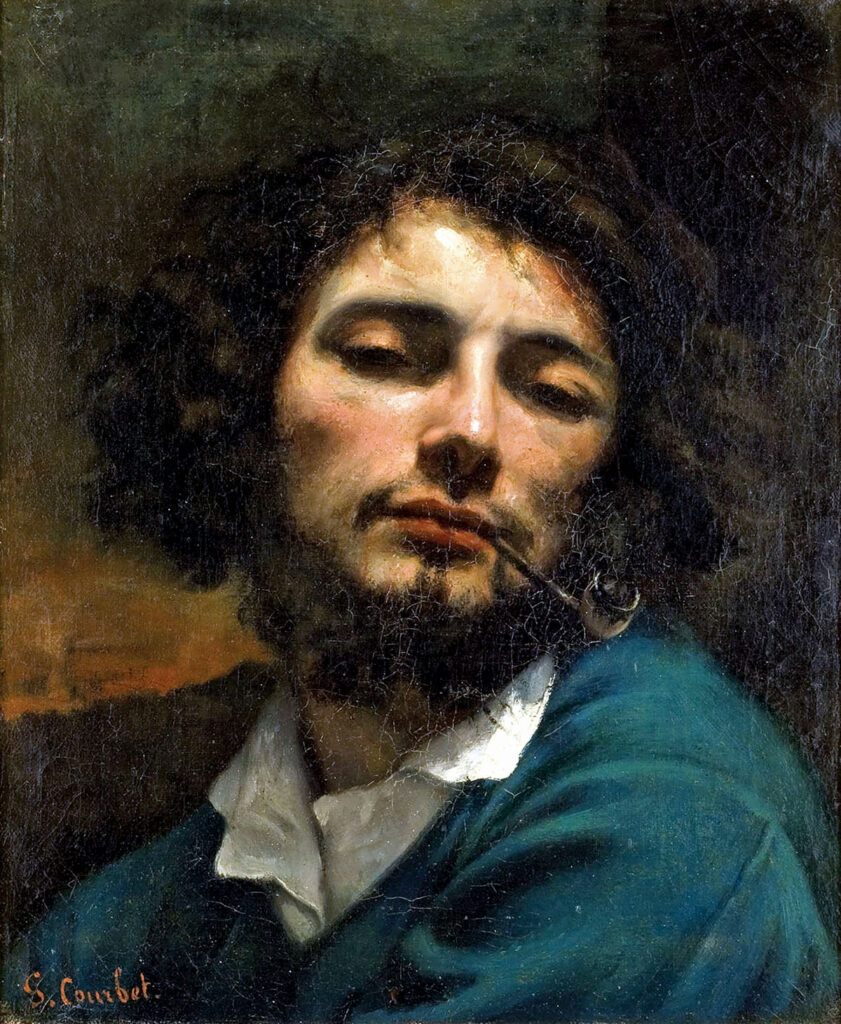
Courbet was a leading figure in the Realist movement, an art style that sought to depict reality with unembellished detail. Rather than idealizing human life and nature, Realism portrayed life as it was, often challenging the morals of the time (Nochlin, 1971). For Courbet, The Origin of the World was an opportunity to express his anti-academic, provocative vision of beauty and art. The painting was commissioned by Khalil Bey, a Turkish diplomat known for his taste for erotic art, and was intended to be part of his private collection (Schapiro, 1994).
Scandal and Censorship
The Origin of the World caused scandal from the moment it was completed, and it was censored for its explicit content. For decades, the painting remained hidden in private collections, as its graphic nature was considered obscene and unacceptable by 19th-century social norms (Nochlin, 1971). In many cases, the painting was covered by a curtain or placed in secret rooms, showing that, while eroticism existed in art, Courbet’s unfiltered approach was seen as crossing a line.
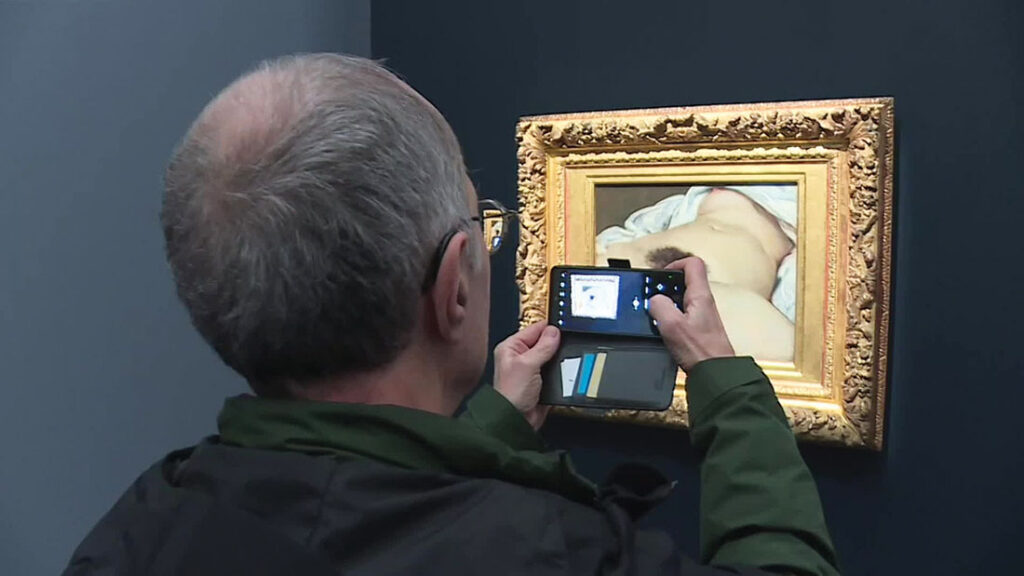
Even after the painting was acquired by the Musée d’Orsay in Paris in 1995 and publicly displayed, it continued to provoke controversy. In 2011, social media platform Facebook censored a post displaying the artwork, sparking renewed debates about internet censorship and the limits of artistic freedom in the digital age (Kimmelman, 2011). This 21st-century act of censorship highlights how society continues to wrestle with issues of explicit sexual representation.
Interpretations of The Origin of the World
Over the years, The Origin of the World has been subject to various interpretations. Some critics argue that Courbet intended to depict the power of female sexuality as a creative life force, making the painting a tribute to femininity and the origin of humanity (Nochlin, 1971). From this perspective, the painting honors the female body’s essential role in human existence. Others, however, view the work as a manifestation of male desire to possess and objectify the female form, sparking debates about the representation of women in art and culture (Schapiro, 1994).
Impact on Contemporary Art
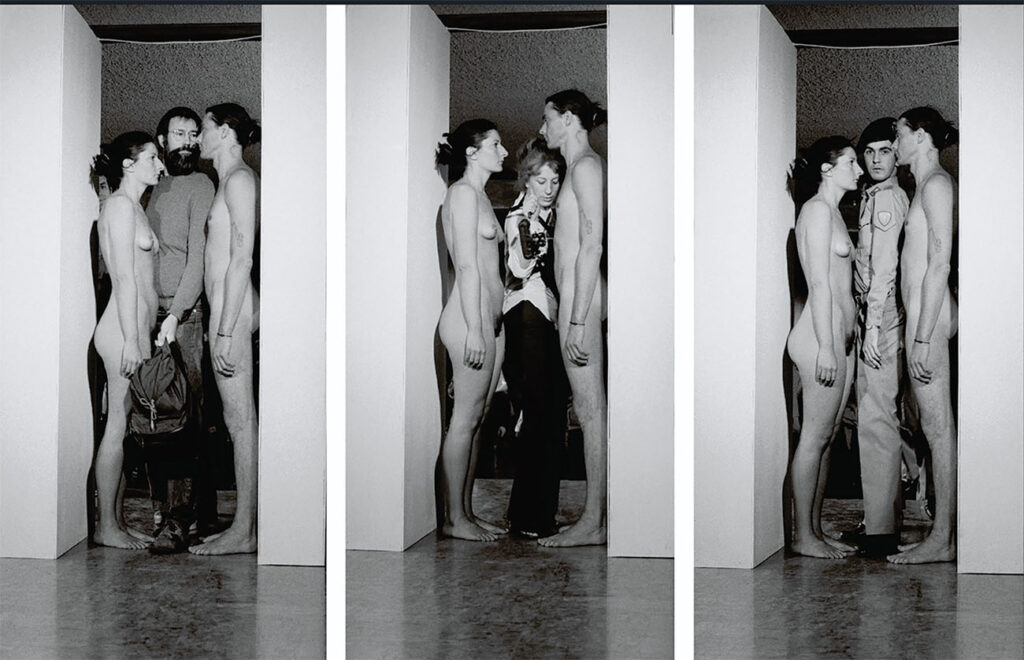
The impact of The Origin of the World on contemporary art is undeniable. Modern and contemporary artists have explored sexuality and the human body in explicit ways, inspired by Courbet’s audacity to challenge convention. Artists like Judy Chicago and Marina Abramović have addressed female sexuality and the body from an empowerment perspective, reinterpreting eroticism and challenging traditional notions of beauty and the female form (Kimmelman, 2011).
In addition, The Origin of the World has sparked discussions about the role of art in society. The work raises fundamental questions: How far should art go in reflecting human reality without censorship? What are the limits of artistic representation in a society with established moral norms? These questions remain relevant in today’s discussions about freedom of expression and censorship.
Conclusion
The Origin of the World not only represents an explicit vision of female anatomy, but also serves as a statement of artistic independence and a challenge to societal norms. Courbet’s painting broke away from tradition, demonstrating that art can and should be a space for the exploration of deep and complex themes, even those that may be uncomfortable or challenging for society. Its impact and controversy persist, reminding us of art’s power to question, provoke, and reveal essential aspects of the human condition. Through The Origin of the World, Courbet invites us to reconsider our relationship with the body, sexuality, and creative freedom.