
Europe in 100 years: Demographic change and the new european identity
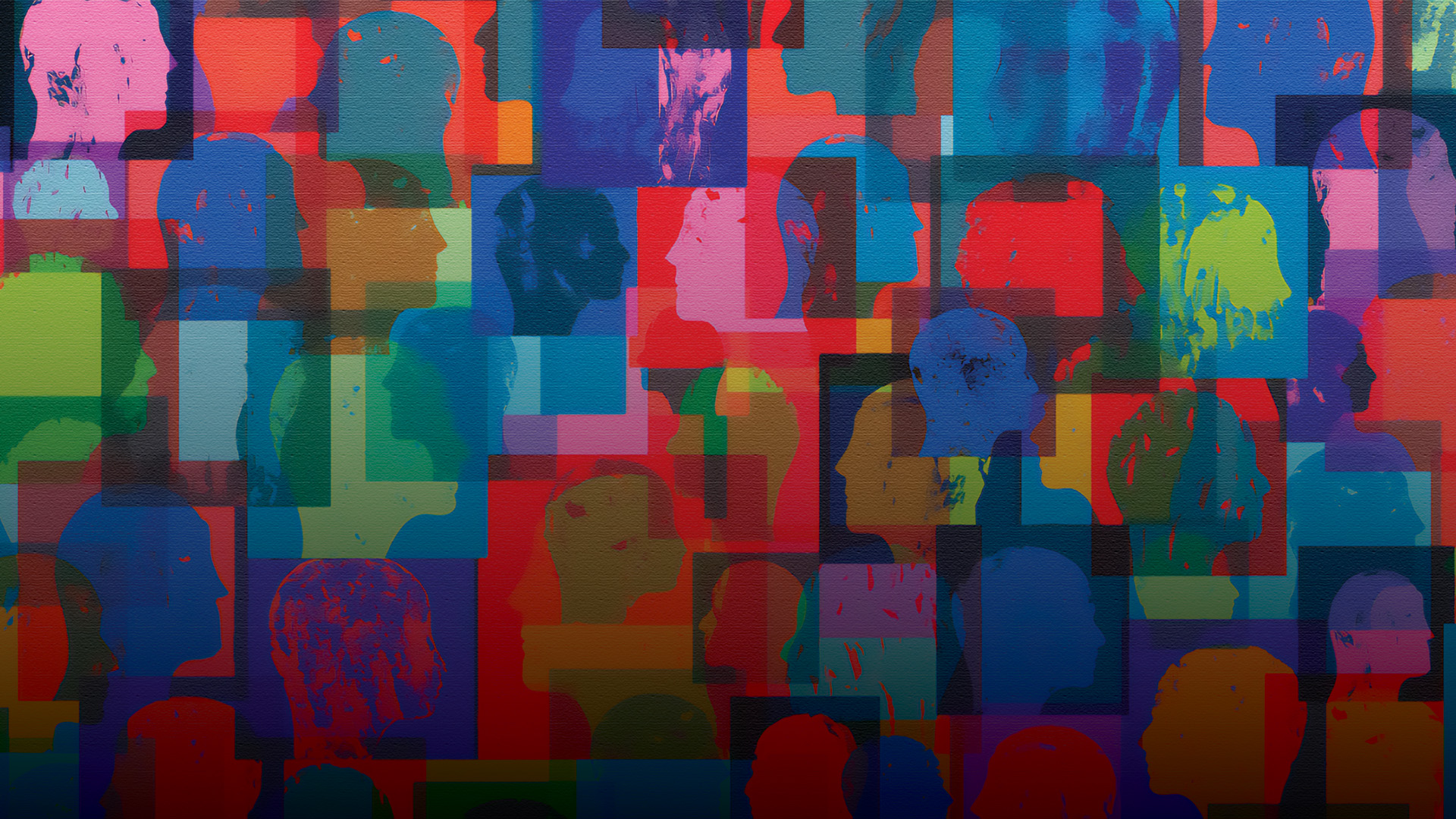
The Europe we know today is undergoing one of the most significant demographic transformations in its history. Mass migration, an aging native population, and globalization are reshaping the social and cultural landscape of the continent. These shifts are redefining what it means to “be European.” In this article, we will explore how countries traditionally associated with a predominantly white population are evolving into multicultural societies and what this means for Europe’s identity over the next century.
The History of a “White Europe”
For centuries, Europe was often perceived as an ethnically homogenous continent. While cultural, linguistic, and religious differences were prominent, the majority of its inhabitants shared similar physical traits. However, this homogeneity was more myth than reality. Europe has always been a meeting point for different peoples, from Mongol invasions to Mediterranean exchanges with Africa and Asia.
Migration and Globalization: The Turning Point
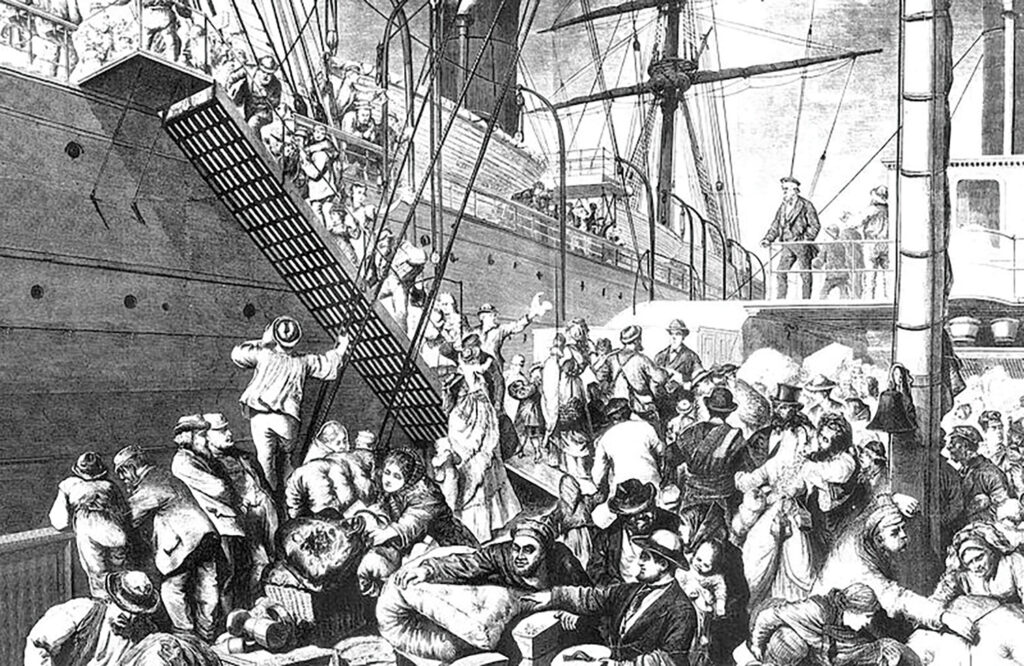
World War II marked a crucial shift. A devastated Europe opened its doors to immigrant workers to rebuild its economies. In the following decades, waves of migration from Africa, the Middle East, and Asia reshaped European cities. Countries such as France, Germany, and the United Kingdom became hubs of ethnic and cultural diversity. Today, second and third-generation immigrants are an inseparable part of European society.Europe’s Declining Birth Rate
Another significant factor is Europe’s declining birth rate. While immigrant populations generally maintain higher birth rates, native European families have drastically reduced the number of children they have. Combined with an increased life expectancy, this has led to an overall aging native population.
European Identity: An Ongoing Redefinition
European identity can no longer be defined solely by physical appearance or ethnic origin. Today, being European means sharing common values such as democracy, human rights, and equality. However, social and political tensions persist, often surrounding the integration of new cultural identities into Europe’s traditional framework.
Projections for the Next 100 Years
Demographic studies suggest that, in a century, the average European will likely have mixed heritage, the result of generations of interracial marriages and continued immigration. Countries such as Sweden, Germany, and France are already showing clear trends in this direction. This phenomenon is not exclusive to Europe but reflects a global transformation.
An Uncertain or Promising Future?
Change always brings uncertainty but also opportunities. A diverse Europe has the potential to become a more dynamic, multicultural, and adaptable continent in the face of global challenges. However, achieving this vision will require effective public policies, inclusive education, and ongoing dialogue about identity and belonging.
Europe is in the midst of an unprecedented demographic and cultural metamorphosis. In 100 years, the continent as we know it today will be unrecognizable in many ways. However, this does not necessarily mean a loss of identity but rather a transformation. The real question is not whether Europe will remain predominantly white, but whether it can build a cohesive and resilient identity amid its growing diversity.